
pickard 55
取引を発注
高頻度トレーダー
3.6か月
199 フォロー
3.6K+ フォロワー
1.3K+ いいね
17 共有
投稿
ポートフォリオ
すべて
引用
ライブ
バナー・チェーンは、2026年にAIネイティブインフラストラクチャの新しい基準を設定しています。Kayon推論エンジンを直接L1に統合することで、@Vanarchain はdAppが外部APIに依存せずにオンチェーンで複雑なデータを処理できるようにします。これは、$VANRY ユーティリティにとってゲームチェンジャーであり、投機的な取引からゲームとPayFiにおける実世界の企業需要への移行を意味します。カーボンニュートラルで低コストのトランザクションに焦点を当てているため、次のWeb3採用の波に最適な場所となります。#vanar
この投稿に合わせて高品質のエコシステムインフォグラフィックまたはバナー・チェーンの未来的なビジュアルを作成しましょうか?
$VANRY
この投稿に合わせて高品質のエコシステムインフォグラフィックまたはバナー・チェーンの未来的なビジュアルを作成しましょうか?
$VANRY
BREAKING ALERT: BRICS ACCELERATES AWAY FROM THE US DOLLAR
$CYS $BULLA $ZORA
A structural shift is taking shape. Members of BRICS—led by China, India, and Russia—are advancing plans to settle trade using a BRICS-linked digital framework rather than the US dollar. This is no longer speculative chatter; it’s a coordinated push with real-world implications.
For decades, the dollar has been the backbone of global commerce—energy pricing, cross-border trade, and sovereign debt all flowed through it. Now, major economies are actively designing routes around that system to reduce exposure to sanctions, policy pressure, and external control. A BRICS digital settlement layer would allow members to transact directly, trimming dollar dependence step by step.
Markets are paying attention because this signals something deeper: confidence in a single-currency world is fading. We’re seeing parallel moves into gold, local-currency trade, and digital settlement rails—pieces of a new financial chessboard where leverage is more distributed.
This isn’t a sudden collapse. It’s a gradual rebalancing. But the direction is clear: a multipolar currency era is forming, and the dollar’s uncontested reign is no longer a given
$CYS $BULLA $ZORA
A structural shift is taking shape. Members of BRICS—led by China, India, and Russia—are advancing plans to settle trade using a BRICS-linked digital framework rather than the US dollar. This is no longer speculative chatter; it’s a coordinated push with real-world implications.
For decades, the dollar has been the backbone of global commerce—energy pricing, cross-border trade, and sovereign debt all flowed through it. Now, major economies are actively designing routes around that system to reduce exposure to sanctions, policy pressure, and external control. A BRICS digital settlement layer would allow members to transact directly, trimming dollar dependence step by step.
Markets are paying attention because this signals something deeper: confidence in a single-currency world is fading. We’re seeing parallel moves into gold, local-currency trade, and digital settlement rails—pieces of a new financial chessboard where leverage is more distributed.
This isn’t a sudden collapse. It’s a gradual rebalancing. But the direction is clear: a multipolar currency era is forming, and the dollar’s uncontested reign is no longer a given
In a sea of Layer 1s, @Plasma stands out by solving the one thing actually holding back global payments: friction. Zero-fee USDT transfers on a high-speed EVM chain is exactly what the industry needs for mass adoption. $XPL isn't just another token; it’s the fuel for a stablecoin-first future. Truly impressed by the sub-second finality and the infrastructure being built here. #Plasma
Would you like me to refine this for a specific tone, or perhaps generate a few more variations for a threads.
$XPL
Would you like me to refine this for a specific tone, or perhaps generate a few more variations for a threads.
$XPL
支払いがうまくいくとき: プラズマアプローチ
すべてのビルダーが認識する瞬間があります。何かを出荷します。それは機能します。誰も拍手しません。そして静かに、それが成功です。
それは2025年までの間に移動しているレーンです。大きな音は出さず、演劇的でもありません。ただ、支払いがあるべき方法で意図的に何事も起こらないのです。
ほとんどのブロックチェーンは、称賛を求めているように振る舞います。高スループットの主張。新しい頭字語。常に「アップグレード」。プラズマの信号は異なります。ステーブルコインの送金は、ルーチンの配管のように扱われます。それは革新としてはフレームされません。それはユーザーの日常を決して中断すべきでない何かとしてフレームされます。
それは2025年までの間に移動しているレーンです。大きな音は出さず、演劇的でもありません。ただ、支払いがあるべき方法で意図的に何事も起こらないのです。
ほとんどのブロックチェーンは、称賛を求めているように振る舞います。高スループットの主張。新しい頭字語。常に「アップグレード」。プラズマの信号は異なります。ステーブルコインの送金は、ルーチンの配管のように扱われます。それは革新としてはフレームされません。それはユーザーの日常を決して中断すべきでない何かとしてフレームされます。
What Builders Notice First When They Use Vanar
Spend a few minutes watching how builders actually behave, not how roadmaps describe them. Most of them are tired. Tired of stitching tools together, tired of off-chain workarounds, tired of systems that look elegant on paper and feel fragile in practice. That’s the gap Vanar Chain is quietly stepping into.
What stands out is not a single headline feature, but the way the network treats media, data, and AI workloads as something normal. Not exotic. Normal. A developer I spoke to mentioned testing asset uploads late at night, coffee gone cold, laptop fan screaming — and noticing how little friction there was compared to their usual setup. That detail matters more than announcements.
Vanar’s focus on AI-native infrastructure isn’t loud. It shows up in small places: how assets are handled, how computation is planned, how memory isn’t an afterthought. This is the kind of design that only makes sense if you expect real usage, not just demos.
Here’s the blunt part: most chains still optimize for speculation first and utility later. Vanar feels like it flipped that order. That won’t excite everyone, and that’s fine.
As adoption grows, $VANRY isn’t framed as a shiny object. It’s tied to participation — securing the network, powering execution, aligning incentives when applications actually run. No drama. Just mechanics doing their job.
People talk about “the future of AI on-chain” like it’s distant. Vanar behaves as if it’s already here, slightly messy, and in need of infrastructure that doesn’t panic under load. Some sentences don’t need polish to be true.
You can feel the direction in the ecosystem conversations, in how builders ask practical questions instead of speculative ones. That shift is subtle, but it’s real. And once you notice it, it’s hard to unsee.
@Vanarchain $VANRY #vanar
What stands out is not a single headline feature, but the way the network treats media, data, and AI workloads as something normal. Not exotic. Normal. A developer I spoke to mentioned testing asset uploads late at night, coffee gone cold, laptop fan screaming — and noticing how little friction there was compared to their usual setup. That detail matters more than announcements.
Vanar’s focus on AI-native infrastructure isn’t loud. It shows up in small places: how assets are handled, how computation is planned, how memory isn’t an afterthought. This is the kind of design that only makes sense if you expect real usage, not just demos.
Here’s the blunt part: most chains still optimize for speculation first and utility later. Vanar feels like it flipped that order. That won’t excite everyone, and that’s fine.
As adoption grows, $VANRY isn’t framed as a shiny object. It’s tied to participation — securing the network, powering execution, aligning incentives when applications actually run. No drama. Just mechanics doing their job.
People talk about “the future of AI on-chain” like it’s distant. Vanar behaves as if it’s already here, slightly messy, and in need of infrastructure that doesn’t panic under load. Some sentences don’t need polish to be true.
You can feel the direction in the ecosystem conversations, in how builders ask practical questions instead of speculative ones. That shift is subtle, but it’s real. And once you notice it, it’s hard to unsee.
@Vanarchain $VANRY #vanar
$BULLA 🚨 JUST IN 🚨
🇮🇷🇺🇸 Iran issues a sharp warning
Iran’s Supreme Leader Ali Khamenei signaled a major escalation risk, saying the U.S. should understand that any military move would not stay contained.
According to his remarks, a new conflict would spill across the region, not remain a limited confrontation.
The message was clear:
This wouldn’t be a single-front clash — it would reshape regional stability and pull in multiple actors at once.
Markets, diplomats, and security analysts are now watching closely as tensions rise.
$CYC
🇮🇷🇺🇸 Iran issues a sharp warning
Iran’s Supreme Leader Ali Khamenei signaled a major escalation risk, saying the U.S. should understand that any military move would not stay contained.
According to his remarks, a new conflict would spill across the region, not remain a limited confrontation.
The message was clear:
This wouldn’t be a single-front clash — it would reshape regional stability and pull in multiple actors at once.
Markets, diplomats, and security analysts are now watching closely as tensions rise.
$CYC
Why Dusk Network Is Building the Future of Private, Compliant Finance Dusk Network and the Rise of P
Dusk, When It Finally Gets Real
There’s a moment every crypto project hits where the story stops being “watch what we will do” and becomes “here’s what the network is doing while nobody’s watching.” For Dusk Network, that moment landed on January 7, 2025, when mainnet went live and the chain started proving itself block by block instead of tweet by tweet. �
dusk.network +1
What I like about Dusk is that it doesn’t sell privacy as a magic cloak. It treats privacy like a financial requirement that has to survive compliance reality—auditable where needed, confidential where it matters. That’s a hard balance to pull off, and it’s why the “mainnet is live” date wasn’t just a marketing milestone; it was the start of accountability. �
dusk.network
A small but telling detail: I was scrolling updates with a cold cup of tea beside my keyboard, and the thing that stood out wasn’t hype—it was the boring infrastructure talk. The rollout notes around mainnet activation were operational and specific, like people who expect users to show up and break things. �
dusk.network
Then 2025 kept moving. By late May 2025, Dusk shipped a two-way bridge that lets native DUSK move between mainnet and BEP20 on BSC—exactly the kind of plumbing that makes a network feel usable instead of theoretical. Liquidity paths and access routes matter more than slogans, especially when you want participation beyond a tight core of insiders. �
dusk.network
Under the hood, it’s also been quietly getting friendlier for builders. Phoenix 2.0 specs (from 2024) leaned into simplifying how DUSK is handled by smart contracts—again, not glamorous, but it removes friction where devs usually feel pain first. � And the ecosystem fund commitment (15M DUSK) signaled the same mindset: if you want real apps, you have to make it worth someone’s time to ship and maintain them. �
dusk.network
dusk.network
Here’s the blunt part: if your chain needs constant hype to look alive, it’s probably not alive.
So when I think about $DUSK today, I don’t frame it as a “privacy coin narrative.” I frame it as a network trying to sit in the uncomfortable middle—where regulated assets, real issuance, and real settlement constraints exist—and still keep the user experience from turning into paperwork-on-chain. That’s not easy, and it’s not supposed to be. Sometimes the progress is slow and kinda messy, but that’s how systems get built that last.
Shoutout to @dusk_foundation for choosing the hard lane. $DUSK
@Dusk $DUSK #dusk
There’s a moment every crypto project hits where the story stops being “watch what we will do” and becomes “here’s what the network is doing while nobody’s watching.” For Dusk Network, that moment landed on January 7, 2025, when mainnet went live and the chain started proving itself block by block instead of tweet by tweet. �
dusk.network +1
What I like about Dusk is that it doesn’t sell privacy as a magic cloak. It treats privacy like a financial requirement that has to survive compliance reality—auditable where needed, confidential where it matters. That’s a hard balance to pull off, and it’s why the “mainnet is live” date wasn’t just a marketing milestone; it was the start of accountability. �
dusk.network
A small but telling detail: I was scrolling updates with a cold cup of tea beside my keyboard, and the thing that stood out wasn’t hype—it was the boring infrastructure talk. The rollout notes around mainnet activation were operational and specific, like people who expect users to show up and break things. �
dusk.network
Then 2025 kept moving. By late May 2025, Dusk shipped a two-way bridge that lets native DUSK move between mainnet and BEP20 on BSC—exactly the kind of plumbing that makes a network feel usable instead of theoretical. Liquidity paths and access routes matter more than slogans, especially when you want participation beyond a tight core of insiders. �
dusk.network
Under the hood, it’s also been quietly getting friendlier for builders. Phoenix 2.0 specs (from 2024) leaned into simplifying how DUSK is handled by smart contracts—again, not glamorous, but it removes friction where devs usually feel pain first. � And the ecosystem fund commitment (15M DUSK) signaled the same mindset: if you want real apps, you have to make it worth someone’s time to ship and maintain them. �
dusk.network
dusk.network
Here’s the blunt part: if your chain needs constant hype to look alive, it’s probably not alive.
So when I think about $DUSK today, I don’t frame it as a “privacy coin narrative.” I frame it as a network trying to sit in the uncomfortable middle—where regulated assets, real issuance, and real settlement constraints exist—and still keep the user experience from turning into paperwork-on-chain. That’s not easy, and it’s not supposed to be. Sometimes the progress is slow and kinda messy, but that’s how systems get built that last.
Shoutout to @dusk_foundation for choosing the hard lane. $DUSK
@Dusk $DUSK #dusk
🚨 Breaking Update
Tokenized equities are accelerating fast — market value has surged to $963M, marking an almost 3,000% YoY increase.
What’s driving it isn’t hype, but momentum from regulators and infrastructure players. Signals coming from U.S. Securities and Exchange Commission and Depository Trust & Clearing Corporation are pushing tokenized stocks closer to real market integration rather than experimental rails.
This shift points to a future where traditional equities move with blockchain efficiency — faster settlement, broader access, and lower friction. Smart money is watching this space closely.
$CYS $BULLA $ZKP
Tokenized equities are accelerating fast — market value has surged to $963M, marking an almost 3,000% YoY increase.
What’s driving it isn’t hype, but momentum from regulators and infrastructure players. Signals coming from U.S. Securities and Exchange Commission and Depository Trust & Clearing Corporation are pushing tokenized stocks closer to real market integration rather than experimental rails.
This shift points to a future where traditional equities move with blockchain efficiency — faster settlement, broader access, and lower friction. Smart money is watching this space closely.
$CYS $BULLA $ZKP
UN FACES A REAL CASH CRUNCH — CLOCK IS TICKING$C98
The United Nations has quietly raised a red flag: money is running dangerously low. An emergency letter from Secretary-General António Guterres to all 193 member states warns that the UN could hit a funding wall by July.
This isn’t political drama. It’s a balance-sheet problem.$SOPH
The stress point is clear. A renewed push by Donald Trump to scale back U.S. contributions threatens one of the UN’s biggest revenue streams. With reserves already stretched and member payments uneven, even short delays can ripple fast.
Why this matters now:
Cash buffers are thinning
Fixed operating costs limit flexibility
Core functions depend on steady inflows
Bottom line: without timely funding, the UN may be forced to prioritize, delay, or suspend operations within months. This is no longer a future risk — it’s a near-term liquidity test with global implications.
The United Nations has quietly raised a red flag: money is running dangerously low. An emergency letter from Secretary-General António Guterres to all 193 member states warns that the UN could hit a funding wall by July.
This isn’t political drama. It’s a balance-sheet problem.$SOPH
The stress point is clear. A renewed push by Donald Trump to scale back U.S. contributions threatens one of the UN’s biggest revenue streams. With reserves already stretched and member payments uneven, even short delays can ripple fast.
Why this matters now:
Cash buffers are thinning
Fixed operating costs limit flexibility
Core functions depend on steady inflows
Bottom line: without timely funding, the UN may be forced to prioritize, delay, or suspend operations within months. This is no longer a future risk — it’s a near-term liquidity test with global implications.
🚨 ワシントンが停滞 — 一時的な米国政府の閉鎖が発効中 🇺🇸
$CLANKER $BULLA $SENT
キャピトルヒルはブレーキをかけています。法案制定者たちが違いを埋められない中、米国連邦政府の一部は停止しています—少なくとも月曜日まで。この状況は単なる政治的演劇ではなく、実際の経済的影響があります。
🔍 現在の状況 • 数千人の連邦職員が一時解雇
• 非必須のオフィスと国立施設が閉鎖
• 重要な公共サービスが減少した能力で運営
📉 市場が注目している理由 各閉鎖は生産性と信頼を削ります。政策の麻痺が中心舞台に立つと、不確実性が急速に広がります—市場が歴史的に嫌うものです。遅れた決定はビジネス計画、消費者信頼、投資フロー全体にためらいを生み出します。
🌍 大局的な視点 このエピソードは、政治的な行き詰まりが世界最大の経済をいかに混乱させるかを強調しています。交渉が裏で進行している間、投資家や機関は待機状態にあります。
⏰ 月曜日が圧力ポイントです。
次の動きはウォール街の感情、公共の運営、そして広範なリスク嗜好に影響を与える可能性があります。注意を怠らないでください。
$CLANKER $BULLA $SENT
キャピトルヒルはブレーキをかけています。法案制定者たちが違いを埋められない中、米国連邦政府の一部は停止しています—少なくとも月曜日まで。この状況は単なる政治的演劇ではなく、実際の経済的影響があります。
🔍 現在の状況 • 数千人の連邦職員が一時解雇
• 非必須のオフィスと国立施設が閉鎖
• 重要な公共サービスが減少した能力で運営
📉 市場が注目している理由 各閉鎖は生産性と信頼を削ります。政策の麻痺が中心舞台に立つと、不確実性が急速に広がります—市場が歴史的に嫌うものです。遅れた決定はビジネス計画、消費者信頼、投資フロー全体にためらいを生み出します。
🌍 大局的な視点 このエピソードは、政治的な行き詰まりが世界最大の経済をいかに混乱させるかを強調しています。交渉が裏で進行している間、投資家や機関は待機状態にあります。
⏰ 月曜日が圧力ポイントです。
次の動きはウォール街の感情、公共の運営、そして広範なリスク嗜好に影響を与える可能性があります。注意を怠らないでください。
Vanar Chain is building Web3 for everyday users, not just crypto natives. With a strong focus on gaming, AI, brands, and entertainment, @Vanarchain delivers fast, scalable infrastructure designed for real adoption. $VANRY powers this growing ecosystem and aligns incentives across builders and users. #vanar
Why Plasma Is Building the Fastest Path for Stablecoin Payments on Blockchain
Plasma is a Layer 1 built for one specific job: making stablecoins move like real money rails instead of like “crypto transactions” that require extra steps, extra tokens, and extra patience. The chain keeps the familiar EVM world so builders can ship with Ethereum-grade tooling, but it changes the priorities under the hood so stablecoin settlement is the main event, not a side feature. The simplest way to think about it is this: Plasma wants stablecoin transfers to feel like sending a message—fast, predictable, and low-friction—while still keeping the programmable layer that lets payments become automated, composable, and scalable.What makes Plasma stand out is not a flashy claim about being the “next everything chain.” It’s the decision to treat stablecoins as first-class citizens at the protocol level. On most networks, stablecoins are just tokens living on top of the chain, and users still have to buy the chain’s gas token, estimate fees, and deal with UX that was designed for traders and power users. Plasma flips that around. It introduces stablecoin-centric behavior like gasless USDT transfers for eligible simple sends and a stablecoin-first approach to gas, aiming to reduce the mental overhead that blocks everyday usage. If stablecoins are meant to be the bridge between crypto and daily commerce, then the chain beneath them can’t feel like a niche toolPlasma is trying to make the rails feel normal.Under the hood, Plasma leans on a BFT-style consensus called PlasmaBFT designed for fast finality. Finality is a big word, but the human meaning is simple: when a payment is confirmed, it should be truly confirmed, not “probably confirmed unless something weird happens.” BFT consensus families are designed to keep the network safe even if a portion of validators act maliciously or go offline, and Plasma’s design emphasizes rapid settlement so stablecoin transfers can support realtime flows like remittances, merchant payments, and treasury moves. The point is less about showing off TPS numbers and more about making the chain behave like settlement infrastructure.Execution is EVM-compatible and tied to Reth, an Ethereum execution client written in Rust. That matters because Plasma doesn’t want developers to rewrite the universe just to build payment apps. Most of the contracts, integrations, and tooling that already exist in the EVM ecosystem can carry over, while Plasma optimizes the base layer for stablecoinheavy traffic. In practice, this is a “meet builders where they already are” strategy: keep the developer language and workflow familiar, then win on experience and economics when the app actually reaches users.The two stablecoinnative ideas you mentioned are the heart of the user experience. Gasless USDT transfers are designed so that for certain direct transfers, the fee can be sponsored by system mechanics instead of forcing the user to hold a separate volatile asset just to move dollars. This is not meant to be a blanket promise that everything is free forever; it’s a targeted design choice to remove friction from the most common action that real users do: sending stablecoins. If the first thing a new user has to do is buy gas, the product has already failed for mass adoption. Gas sponsorship, with tight rules and abuse controls, is Plasma’s attempt to remove that barrier for the simplest use case.Stablecoin-first gas pushes the same philosophy further. Instead of saying “you must hold XPL to exist here,” the system aims to let people pay fees in stablecoins (when fees apply), which matters a lot in high-adoption markets where stablecoins are used as savings and spending money. It also matters for institutions, because operationally it’s cleaner to settle and account in a unit that doesn’t swing wildly in value. This sounds like a UX feature, but it has deep consequences: it reduces churn during onboarding, lowers failed transactions due to gas issues, and helps apps feel more like fintech than like crypto.The Bitcoinanchored security narrative is Plasma’s attempt to claim a stronger “neutral base” over time. In plain language, anchoring to Bitcoin is meant to raise the cost of censorship or manipulation and provide a credible security story that doesn’t rely only on a single company or a small early validator set. Plasma’s roadmap also includes a Bitcoin bridge that mints pBTC for use inside the EVM environment. The bridge architecture described in the docs points to verifier participation and MPC-based signing for withdrawals, aiming to reduce singlepoint custody risk. This direction is important because stablecoin settlement doesn’t live in a vacuum; in many markets, BTC liquidity is a parallel rail, and connecting stablecoin settlement with BTC utility can make a chain feel like a real financial hub rather than a one-token niche.Tokenomics is where the “how does the chain stay secure and sustainable” question lives. Plasma’s docs describe XPL as the native token used for staking and validator incentives, with delegation planned. The initial supply described is 10 billion XPL, with a distribution that includes ecosystem and growth, team, investors, and a public sale. Unlock schedules are spelled out with cliffs and gradual releases, including a notable detail that US public sale participants face a lockup with a specific unlock date in mid2026. On emissions, the plan described is to start around 5% inflation once external validators and delegation are live, then reduce over time toward a 3% baseline, while using a base fee burn mechanism similar in spirit to EIP-1559 to counterbalance dilution as network usage grows. That combination is the classic “security budget plus demand sink” model: pay validators, burn some fees, and hope real adoption makes the burn meaningful.Ecosystem matters because a settlement chain with no liquidity is just a fast empty road. Plasma’s positioning in third-party research is that it aims to launch with a meaningful financial stack—DeFi liquidity venues, borrowing and yield primitives, and integrations that make stablecoin usage instantly useful instead of waiting months for apps to appear. Coverage and research reports mention partnerships and integrations across recognizable DeFi names and payment corridor players, framing Plasma as both an onchain liquidity venue and a practical settlement rail that can plug into real-world corridors. Whether all of that arrives smoothly is a rollout question, but the strategy is clear: stablecoins attract users when there’s a place to park, earn, borrow, hedge, and move capital efficiently without constantly bridging away.Roadmap-wise, Plasma presents a staged approach: core chain and stablecoin-native features first, then more advanced components like the Bitcoin bridge and other privacy/confidential transaction ideas later, alongside a progressive decentralization path where validator participation expands over time. Some sources cite mainnet beta timing in late 2025, and Plasma’s own messaging emphasizes that not every feature ships immediately, which is realistic but also creates a trust challenge: the market will judge Plasma not on promises, but on what becomes real, secure, and widely used.Now the uncomfortable part: the challenges Plasma has to win against are very real. Gasless transfers are powerful, but subsidy systems attract abuse and need careful throttling, eligibility rules, and long-term economics that don’t collapse when usage spikes. Bridges are the graveyard of many good ideas, because they concentrate value and become prime targets; even strong architecture has to survive real adversaries. Progressive decentralization helps early stability, but it creates reputational risk until the validator set truly broadens and governance becomes meaningfully distributed. Competition is also brutal: stablecoin rails already exist at scale, and many chains can copy UX ideas, so Plasma has to win with execution, liquidity depth, integrations, and reliability. Then there’s regulation, which can reshape stablecoin flows quickly depending on jurisdictions and compliance expectations, especially if Plasma wants to serve institutions as well as retail.My honest take is that Plasma’s big bet is not “faster blocks.” It’s that stablecoins are already one of crypto’s most proven products, but the user experience is still too fragile for mass adoption. If Plasma can make stablecoin transfers feel effortless while keeping the system secure, liquid, and increasingly neutral over time, it could become less like another L1 and more like a programmable settlement network people actually use daily. If it can’t sustain the economics of gas abstraction, can’t keep bridges safe, or can’t deliver decentralization credibly, it risks becoming just another chain with a good story. The difference will be visible in behavior, not marketing: repeat usage, deep liquidity, real payment corridors, and the boring reliability that real money demands.
@Plasma $XPL #Plasma
@Plasma $XPL #Plasma
🚀 Excited about how @Dusk is pushing blockchain privacy + regulatory compliance! With its Layer-1 tech enabling confidential transactions and real-world asset tokenization, $DUSK is building foundations for institutional DeFi while keeping user data private yet auditable. #Dusk is where privacy meets real-world finance adoption — keeping innovation strong and compliant! �
Dusk Network +1
If you’d like multiple variations or different
Dusk Network +1
If you’d like multiple variations or different
Plasma is focused on making blockchain execution faster and more efficient without sacrificing reliability. Its architecture is built to support real applications, not just experiments, giving developers a strong base to scale. As adoption grows, $XPL powers the network and aligns incentives across the ecosystem. @Plasma $XPL #Plasma
Dusk Networkがプライバシーとコンプライアンスを組み合わせて金融の未来を支える方法
短いバイナンススクエアの投稿(クイック、100文字以上)
「プライバシー + コンプライアンス」を構築するのは難しいですが、まさにそのために私は @dusk_foundation を注視しています。もし Dusk がトークン化された資産を迅速に決済でき、機密データを漏らさないことができれば、$DUSK は本当に実物資産の鉄道になり得ます。#Dusk 長い深堀り記事(非常に長い、見出しなし、コピー&ペースト準備完了)Dusk Networkは、特定の問題に対処するために構築されたレイヤー1のブロックチェーンです:リアルな金融資産をオンチェーンで移動させながら、機密データをプライベートに保ち、必要なときには検証可能にする方法です。多くのブロックチェーンは完全に透明(監査可能性には優れていますが、プライバシーには不向き)であるか、完全にプライベート(秘密には良いが、規制された金融に適合させるのが困難なことがあります)です。Duskの提案は、中間に位置することを目指すことです:ユーザーと機関のためのデフォルトのプライバシーを提供し、必要に応じて暗号技術を通じてコンプライアンスを証明する能力を持っています。これが、しばしば「見えないままではなく、監査可能なプライバシー」と表現される理由です。 これは、伝統的な金融が実際にどのように機能するかを想像すると、より理解しやすくなります。銀行が取引を決済したり、債券を発行したり、配当を支払ったり、クライアントのために資金を移動させるとき、取引の詳細は世界に公開されることはありません。同時に、規制当局、監査人、カウンターパーティは証明、記録、確認を要求できます。ほとんどの公共ブロックチェーンはこのモデルをひっくり返しました:誰もがすべてを見えるようになり、プライバシーは後から追加する余分な層になります(もし追加する場合)。しかし、規制された資産や大規模な機関は、すべての残高、取引サイズ、カウンターパーティ関係が公に見える世界で生きることは通常できません。Duskは、オープンネットワークの利点を保持しつつ、オンチェーン決済を現実の金融がどのように操作するかに近づけることを試みています。 高いレベルで、Duskは機密性のあるスマートコントラクトとプライベートでプログラム可能な資産を中心に設計されています。AからBにトークンを送信するだけではなく、資産や契約にルールを直接埋め込むことができるというアイデアです。たとえば、トークン化された証券は、コンプライアンスのロジック、移転制限、または特定の条件の下で発動する開示ルールを含むことができます。目標は「楽しさのためにすべてを隠す」ことではなく、ビジネスに重要なデータを保護しつつ、システムがルールが遵守されたことを示すことを可能にすることです。これが、Dusk自身のメッセージングが、ミーム主導のDeFiではなく、規制された市場と実世界の資産トークン化に重きを置く理由です。 Dusk Network +2それがどのように機能するかを理解するためには、システムをいくつかの動く部分に分解するのが役立ちます:プライバシー技術、実行(スマートコントラクト)、およびコンセンサス(ネットワークが状態に同意する方法)。プライバシー側では、Duskは現代の暗号技術、ゼロ知識技術を活用して、取引の詳細を機密に保ちながらもその正当性を証明します。簡単に言えば、ネットワークは「この取引はルールに従っている」と確認できるはずですが、すべての詳細を全員に明らかにすることを強制しません。これがプライバシーを保持する証明の基本的な約束であり、Duskが規制された金融をサポートできると信じる中心的な理由です。 実行に関して、Duskは開発者のアクセスと互換性に多くの注意を払っています。新しいレイヤー1が採用されるのが難しい理由の一つは、開発者がすでにEthereumのツールを知っているからです。Duskは、チームが従来のパターンで移植または構築できるように、Ethereum互換の実行パス(エコシステムの文書でDuskEVMとして頻繁に議論されます)を構築しており、プロトコルレベルで機密性の機能を提供しています。実際的には、完全に透明なチェーンで入手するのが難しい機能を提供しつつ、ビルダーにとって「学習税」を減らすことを試みています。 コンセンサスに関しては、ネットワークはプルーフ・オブ・ステークのアプローチを使用しており、セグリゲーテッド・ビザンチン合意スタイルのプロトコル周りでよく説明される設計です(Duskに関する議論でSBAが言及されるのを見かけるでしょう)。大きなアイデアは、チェーンが高速で最終的な決済と強力なセキュリティを必要とし、プライバシーの制約をサポートする必要があることです。多くのネットワークでは、コンセンサスは主に速度対分散に関するものです。Duskの枠組みでは、バリデーターが正しく調整されたままプライバシー特性を維持することも重要です。これはほとんどのユーザーが無視する「裏側の」領域の一つですが、機関が最終性と決済を信頼するためには非常に重要です。 トークン自体について:$DUSKはネットワーク経済を支えるネイティブトークンです。これはステーキング(チェーンのセキュリティを助けるため)に使用され、通常は手数料やネットワークインセンティブにも使用されます。Duskのドキュメントによれば、供給モデルは、初期の5億DUSKの供給(歴史的にブリッジされた形式がネイティブ移行前に存在していた)を中心に構築されており、ステーキングを報いるために時間の経過とともに追加の排出があります。ドキュメントには、5億DUSKが長期間(36年)にわたってステーキング報酬として排出され、初期供給と排出を組み合わせることで最大供給が10億DUSKに達すると記載されています。このようなスケジュールは、ネットワークを長期的に安全に保ちながら、すべてを早期に「フロントロード」するのではなく、多年にわたって報酬を分散させることを目的としています。トークノミクスは「どれだけのコインが存在するか」だけではありません。本当の質問は、トークンが人々にどのような行動を促すのかということです。Duskのモデルは基本的に:ネットワークを安全に保つためにステークし、報酬を獲得し、機密金融活動のためにネットワークを使用して手数料とユーティリティを自然に成長させるというものです。長期的な排出スケジュールは、二つの競合するニーズのバランスを取ることを試みています:バリデーターやデリゲーターが実際にステーキングするために十分な報酬を得たい(セキュリティ)、しかしトークンを魅力的でないものにする急激なインフレは望ましくありません。公式ドキュメントは構造を明確にし(初期供給 + 複数の十年の排出)、外部の分析はしばしば同じテーマを強調します:ステーキングインセンティブと予測可能な経済をサポートするために設計された制御された排出。 人々が「エコシステムには何があるのか」と尋ねると、Duskは実際には規制された資産、コンプライアンスに配慮したDeFi、プライバシーを保持した決済を指しています。現実の世界では、トークン化された証券、ファンド、債券、機密性がオプションではない他の手段を含むことができます。また、実物資産は価格フィード、参照データ、外部の確認を必要とするため、エコシステムの物語は統合やオラクル/データインフラに結び付けられることがあります。Duskが広範なオラクルエコシステムに登場すること(たとえば、よく知られたエコシステムディレクトリでのリスト)は、プロジェクトが標準的なWeb3のプライミティブに接続しつつ、金融の焦点を維持したいというアイデアを支持します。 ロードマップの部分は厄介です。「ロードマップ」はマーケティングの約束を意味することがありますが、Duskは公式な進捗更新を公開し、マイルストーン投稿を共有する歴史があります。彼らの公式サイトには、メインネットやそれ以降の道筋を説明するロードマップ指向の投稿があり、「メインネットがライブ」というコミュニケーションを発表して、メインネットを出発点と見なすこともあります。さらに、市場トラッカーや取引所の研究ページは、最近のアップグレードや開発の焦点を要約することがあります(第三者の要約が完璧でない可能性があるという通常の注意書き付き)。最も良い解釈の仕方は、Duskの方向性が機密性のあるスマートコントラクトの拡張、EVM互換性と開発者体験を支えるスタックの改善、そして「テストネットを永遠に過ごす」ことなく、実際の規制されたユースケースに深く押し込むことを中心にしているということです。 Dusk Network +「これがどこに行く可能性があるか」の実用的な例は、トークン化された証券と規制された会場に対する継続的な強調です。最近のエコシステムのチャッターでは、規制されたパートナーや、コンプライアントなレールを介して実物資産をオンチェーンに持ち込む計画に関する言及があります。正確なタイムラインとスコープは、ライブで実証されるまで慎重に扱われるべきですが、公式メッセージングとコミュニティの議論全体に一貫した物語があるのは、Duskが本物の発行、本物の取引、本物の決済を望んでいるということです—理論的なデモではなく。 Dusk Network +2では、最大の課題は何ですか?まず、規制当局や機関が実際に受け入れるプライバシーを構築することは、クリプトネイティブが楽しむプライバシーを構築するよりも難しいです。「監査可能なプライバシー」は高い基準です:機密性が必要ですが、選択的開示、証明可能性、コンプライアンスチームが使用できるツールも必要です。ユーザーエクスペリエンスが複雑すぎると、機関は採用しません。許可が多すぎると、規制されたプレーヤーは触れません。そのバランスを正しく取ることは、単なる技術的な問題ではなく、製品と法的現実の問題でもあります。 CoinMarketCap +2次に、競争は激しいです。多くのチェーンが実物資産を追い求め、多くのチームがゼロ知識ツールを追加しており、Ethereum自体も改善を続けています。Duskは、単なる「別のスマートコントラクトチェーン」ではなく、機密金融のための最高の場所であることを証明しなければなりません。それは、安定したツールを出荷し、開発者を引き付け、本物のボリュームと本物の発行者を示す必要があります—ただの発表ではなく。 Dusk Network +2第三に、採用には時間がかかります。現実の金融は遅く動き、コンプライアンスの承認には数ヶ月または数年かかることがあります。技術が強力であっても、成長曲線は常に暗号の通常のハイプサイクルと一致するとは限りません。市場が即座の爆発を期待している場合、失望するかもしれません。しかし、Duskの仮説が正しいなら、遅くて安定したペースが実際には正しいかもしれません—それは、規制された製品が市場に出る方法と一致します。 Dusk Network +2最後に、トークンの価値の物語は、実際のネットワークの需要によって裏付けられる必要があります。ステーキング報酬は、初期の参加を引き付けることができますが、長期的には、最も強力なトークンモデルは通常、真の利用から生まれます:手数料、決済価値、そして人々が偽造できないエコシステムの活動です。Duskの長期的な物語は、機密性のあるスマートコントラクトと規制された資産の流れが本当にオンチェーンで大規模に実現するかどうかに依存しています。もしそうなれば、$DUSKは単なる投機的なティッカーを超えて、特化した金融ネットワークのセキュリティとユーティリティエンジンになります。もしそうならなければ、プロジェクトは混雑したレイヤー1の風景に溶け込むリスクがあります。 DOCUMENTATION +2もし私がDuskを一つのシンプルで人間的な文で説明しなければならないなら:それは、コンプライアンスを破らずに機密情報を保護することによって、真剣な金融にブロックチェーンを使えるようにしようとしています。それは、スピードとハイプに夢中な市場で売るのが最も簡単な物語ではありませんが、まさにそのために一部の人々が注目するのです—機関と規制された資産が本当にオンチェーンに移動する場合、プライバシーと説明責任は「素晴らしい機能」から「必須要件」になるでしょう。そして、それがDuskがかけている賭けです。バイナンススクエアのミッションのためにもここで言及します:
「プライバシー + コンプライアンス」を構築するのは難しいですが、まさにそのために私は @dusk_foundation を注視しています。もし Dusk がトークン化された資産を迅速に決済でき、機密データを漏らさないことができれば、$DUSK は本当に実物資産の鉄道になり得ます。#Dusk 長い深堀り記事(非常に長い、見出しなし、コピー&ペースト準備完了)Dusk Networkは、特定の問題に対処するために構築されたレイヤー1のブロックチェーンです:リアルな金融資産をオンチェーンで移動させながら、機密データをプライベートに保ち、必要なときには検証可能にする方法です。多くのブロックチェーンは完全に透明(監査可能性には優れていますが、プライバシーには不向き)であるか、完全にプライベート(秘密には良いが、規制された金融に適合させるのが困難なことがあります)です。Duskの提案は、中間に位置することを目指すことです:ユーザーと機関のためのデフォルトのプライバシーを提供し、必要に応じて暗号技術を通じてコンプライアンスを証明する能力を持っています。これが、しばしば「見えないままではなく、監査可能なプライバシー」と表現される理由です。 これは、伝統的な金融が実際にどのように機能するかを想像すると、より理解しやすくなります。銀行が取引を決済したり、債券を発行したり、配当を支払ったり、クライアントのために資金を移動させるとき、取引の詳細は世界に公開されることはありません。同時に、規制当局、監査人、カウンターパーティは証明、記録、確認を要求できます。ほとんどの公共ブロックチェーンはこのモデルをひっくり返しました:誰もがすべてを見えるようになり、プライバシーは後から追加する余分な層になります(もし追加する場合)。しかし、規制された資産や大規模な機関は、すべての残高、取引サイズ、カウンターパーティ関係が公に見える世界で生きることは通常できません。Duskは、オープンネットワークの利点を保持しつつ、オンチェーン決済を現実の金融がどのように操作するかに近づけることを試みています。 高いレベルで、Duskは機密性のあるスマートコントラクトとプライベートでプログラム可能な資産を中心に設計されています。AからBにトークンを送信するだけではなく、資産や契約にルールを直接埋め込むことができるというアイデアです。たとえば、トークン化された証券は、コンプライアンスのロジック、移転制限、または特定の条件の下で発動する開示ルールを含むことができます。目標は「楽しさのためにすべてを隠す」ことではなく、ビジネスに重要なデータを保護しつつ、システムがルールが遵守されたことを示すことを可能にすることです。これが、Dusk自身のメッセージングが、ミーム主導のDeFiではなく、規制された市場と実世界の資産トークン化に重きを置く理由です。 Dusk Network +2それがどのように機能するかを理解するためには、システムをいくつかの動く部分に分解するのが役立ちます:プライバシー技術、実行(スマートコントラクト)、およびコンセンサス(ネットワークが状態に同意する方法)。プライバシー側では、Duskは現代の暗号技術、ゼロ知識技術を活用して、取引の詳細を機密に保ちながらもその正当性を証明します。簡単に言えば、ネットワークは「この取引はルールに従っている」と確認できるはずですが、すべての詳細を全員に明らかにすることを強制しません。これがプライバシーを保持する証明の基本的な約束であり、Duskが規制された金融をサポートできると信じる中心的な理由です。 実行に関して、Duskは開発者のアクセスと互換性に多くの注意を払っています。新しいレイヤー1が採用されるのが難しい理由の一つは、開発者がすでにEthereumのツールを知っているからです。Duskは、チームが従来のパターンで移植または構築できるように、Ethereum互換の実行パス(エコシステムの文書でDuskEVMとして頻繁に議論されます)を構築しており、プロトコルレベルで機密性の機能を提供しています。実際的には、完全に透明なチェーンで入手するのが難しい機能を提供しつつ、ビルダーにとって「学習税」を減らすことを試みています。 コンセンサスに関しては、ネットワークはプルーフ・オブ・ステークのアプローチを使用しており、セグリゲーテッド・ビザンチン合意スタイルのプロトコル周りでよく説明される設計です(Duskに関する議論でSBAが言及されるのを見かけるでしょう)。大きなアイデアは、チェーンが高速で最終的な決済と強力なセキュリティを必要とし、プライバシーの制約をサポートする必要があることです。多くのネットワークでは、コンセンサスは主に速度対分散に関するものです。Duskの枠組みでは、バリデーターが正しく調整されたままプライバシー特性を維持することも重要です。これはほとんどのユーザーが無視する「裏側の」領域の一つですが、機関が最終性と決済を信頼するためには非常に重要です。 トークン自体について:$DUSKはネットワーク経済を支えるネイティブトークンです。これはステーキング(チェーンのセキュリティを助けるため)に使用され、通常は手数料やネットワークインセンティブにも使用されます。Duskのドキュメントによれば、供給モデルは、初期の5億DUSKの供給(歴史的にブリッジされた形式がネイティブ移行前に存在していた)を中心に構築されており、ステーキングを報いるために時間の経過とともに追加の排出があります。ドキュメントには、5億DUSKが長期間(36年)にわたってステーキング報酬として排出され、初期供給と排出を組み合わせることで最大供給が10億DUSKに達すると記載されています。このようなスケジュールは、ネットワークを長期的に安全に保ちながら、すべてを早期に「フロントロード」するのではなく、多年にわたって報酬を分散させることを目的としています。トークノミクスは「どれだけのコインが存在するか」だけではありません。本当の質問は、トークンが人々にどのような行動を促すのかということです。Duskのモデルは基本的に:ネットワークを安全に保つためにステークし、報酬を獲得し、機密金融活動のためにネットワークを使用して手数料とユーティリティを自然に成長させるというものです。長期的な排出スケジュールは、二つの競合するニーズのバランスを取ることを試みています:バリデーターやデリゲーターが実際にステーキングするために十分な報酬を得たい(セキュリティ)、しかしトークンを魅力的でないものにする急激なインフレは望ましくありません。公式ドキュメントは構造を明確にし(初期供給 + 複数の十年の排出)、外部の分析はしばしば同じテーマを強調します:ステーキングインセンティブと予測可能な経済をサポートするために設計された制御された排出。 人々が「エコシステムには何があるのか」と尋ねると、Duskは実際には規制された資産、コンプライアンスに配慮したDeFi、プライバシーを保持した決済を指しています。現実の世界では、トークン化された証券、ファンド、債券、機密性がオプションではない他の手段を含むことができます。また、実物資産は価格フィード、参照データ、外部の確認を必要とするため、エコシステムの物語は統合やオラクル/データインフラに結び付けられることがあります。Duskが広範なオラクルエコシステムに登場すること(たとえば、よく知られたエコシステムディレクトリでのリスト)は、プロジェクトが標準的なWeb3のプライミティブに接続しつつ、金融の焦点を維持したいというアイデアを支持します。 ロードマップの部分は厄介です。「ロードマップ」はマーケティングの約束を意味することがありますが、Duskは公式な進捗更新を公開し、マイルストーン投稿を共有する歴史があります。彼らの公式サイトには、メインネットやそれ以降の道筋を説明するロードマップ指向の投稿があり、「メインネットがライブ」というコミュニケーションを発表して、メインネットを出発点と見なすこともあります。さらに、市場トラッカーや取引所の研究ページは、最近のアップグレードや開発の焦点を要約することがあります(第三者の要約が完璧でない可能性があるという通常の注意書き付き)。最も良い解釈の仕方は、Duskの方向性が機密性のあるスマートコントラクトの拡張、EVM互換性と開発者体験を支えるスタックの改善、そして「テストネットを永遠に過ごす」ことなく、実際の規制されたユースケースに深く押し込むことを中心にしているということです。 Dusk Network +「これがどこに行く可能性があるか」の実用的な例は、トークン化された証券と規制された会場に対する継続的な強調です。最近のエコシステムのチャッターでは、規制されたパートナーや、コンプライアントなレールを介して実物資産をオンチェーンに持ち込む計画に関する言及があります。正確なタイムラインとスコープは、ライブで実証されるまで慎重に扱われるべきですが、公式メッセージングとコミュニティの議論全体に一貫した物語があるのは、Duskが本物の発行、本物の取引、本物の決済を望んでいるということです—理論的なデモではなく。 Dusk Network +2では、最大の課題は何ですか?まず、規制当局や機関が実際に受け入れるプライバシーを構築することは、クリプトネイティブが楽しむプライバシーを構築するよりも難しいです。「監査可能なプライバシー」は高い基準です:機密性が必要ですが、選択的開示、証明可能性、コンプライアンスチームが使用できるツールも必要です。ユーザーエクスペリエンスが複雑すぎると、機関は採用しません。許可が多すぎると、規制されたプレーヤーは触れません。そのバランスを正しく取ることは、単なる技術的な問題ではなく、製品と法的現実の問題でもあります。 CoinMarketCap +2次に、競争は激しいです。多くのチェーンが実物資産を追い求め、多くのチームがゼロ知識ツールを追加しており、Ethereum自体も改善を続けています。Duskは、単なる「別のスマートコントラクトチェーン」ではなく、機密金融のための最高の場所であることを証明しなければなりません。それは、安定したツールを出荷し、開発者を引き付け、本物のボリュームと本物の発行者を示す必要があります—ただの発表ではなく。 Dusk Network +2第三に、採用には時間がかかります。現実の金融は遅く動き、コンプライアンスの承認には数ヶ月または数年かかることがあります。技術が強力であっても、成長曲線は常に暗号の通常のハイプサイクルと一致するとは限りません。市場が即座の爆発を期待している場合、失望するかもしれません。しかし、Duskの仮説が正しいなら、遅くて安定したペースが実際には正しいかもしれません—それは、規制された製品が市場に出る方法と一致します。 Dusk Network +2最後に、トークンの価値の物語は、実際のネットワークの需要によって裏付けられる必要があります。ステーキング報酬は、初期の参加を引き付けることができますが、長期的には、最も強力なトークンモデルは通常、真の利用から生まれます:手数料、決済価値、そして人々が偽造できないエコシステムの活動です。Duskの長期的な物語は、機密性のあるスマートコントラクトと規制された資産の流れが本当にオンチェーンで大規模に実現するかどうかに依存しています。もしそうなれば、$DUSKは単なる投機的なティッカーを超えて、特化した金融ネットワークのセキュリティとユーティリティエンジンになります。もしそうならなければ、プロジェクトは混雑したレイヤー1の風景に溶け込むリスクがあります。 DOCUMENTATION +2もし私がDuskを一つのシンプルで人間的な文で説明しなければならないなら:それは、コンプライアンスを破らずに機密情報を保護することによって、真剣な金融にブロックチェーンを使えるようにしようとしています。それは、スピードとハイプに夢中な市場で売るのが最も簡単な物語ではありませんが、まさにそのために一部の人々が注目するのです—機関と規制された資産が本当にオンチェーンに移動する場合、プライバシーと説明責任は「素晴らしい機能」から「必須要件」になるでしょう。そして、それがDuskがかけている賭けです。バイナンススクエアのミッションのためにもここで言及します:
$ENSO 🇸🇦🇺🇸
サウジアラビアの圧力が静かに方向転換。
ワシントンの裏で、サウジアラビアの国防大臣ハリド・ビン・サルマンはドナルド・トランプに対して明確なメッセージを伝えた:イランについての姿勢を保つか、行動を起こすか—ためらいはテヘランを強くするだけだ。
決して公にされることのなかったブリーフィングによると、警告は明確だった:空の脅威はイランにレバレッジ、信頼性、時間を与える。注目すべきは対照的な点だ。数週間前、モハメド・ビン・サルマンは公然と自制を促していた。今やトーンは慎重さから緊急性へと変わった。
表向きの外交。プライベートでの圧力。
そして突然、「冷静を促す」というナラティブはずっと薄く見える。
市場は注目すべきだ。
サウジアラビアの圧力が静かに方向転換。
ワシントンの裏で、サウジアラビアの国防大臣ハリド・ビン・サルマンはドナルド・トランプに対して明確なメッセージを伝えた:イランについての姿勢を保つか、行動を起こすか—ためらいはテヘランを強くするだけだ。
決して公にされることのなかったブリーフィングによると、警告は明確だった:空の脅威はイランにレバレッジ、信頼性、時間を与える。注目すべきは対照的な点だ。数週間前、モハメド・ビン・サルマンは公然と自制を促していた。今やトーンは慎重さから緊急性へと変わった。
表向きの外交。プライベートでの圧力。
そして突然、「冷静を促す」というナラティブはずっと薄く見える。
市場は注目すべきだ。
Vanar Chain Explained: A Consumer-First Layer 1 for Gaming, AI, and Brands
Vanar is a Layer 1 blockchain that was not designed in a vacuum. It comes from a very practical place: the real experience of working with games, entertainment platforms, and global brands that need technology to work smoothly for millions of normal users. From the beginning, the idea behind Vanar has been simple but ambitious. Web3 will not reach the next billions of people if it stays complex, expensive, and unpredictable. Vanar exists to fix that gap and make blockchain feel usable, stable, and invisible in the background.
At its core, Vanar Chain is built as a consumer-first blockchain. Instead of focusing only on DeFi traders or crypto-native users, it is designed for real-world use cases like gaming, virtual worlds, AI-driven experiences, eco initiatives, and brand engagement. These are areas where users interact frequently, sometimes many times per minute, and where a slow or expensive blockchain simply does not work. Vanar’s goal is to support those experiences without forcing users to think about gas fees, wallets, or technical friction.
One of the most important ideas behind Vanar is cost predictability. In many blockchains today, fees change constantly. When the network is busy or when the token price goes up, users suddenly pay much more for the same action. This is acceptable for traders, but it breaks games and consumer apps. Vanar approaches this problem differently by using a fixed-fee model that targets a stable dollar cost per transaction. The idea is that whether the token price goes up or down, the user experience stays the same. This makes it much easier for developers to design products and for brands to plan campaigns without worrying about sudden cost spikes.
Speed is another key focus. Consumer applications depend on responsiveness. Waiting long seconds or minutes for confirmation breaks immersion and frustrates users. Vanar is designed with fast block times, aiming for confirmations that feel almost instant in everyday use. This matters a lot in gaming, metaverse environments, and interactive AI systems where actions need to feel real-time.
From a technical perspective, Vanar is EVM-compatible, meaning it supports Ethereum-style smart contracts and familiar developer tools. This lowers the barrier for builders, because developers do not need to learn an entirely new system to start building. They can bring existing knowledge, libraries, and even parts of existing applications into the Vanar ecosystem. This choice signals that Vanar values practicality over reinventing everything from scratch.
Another important design choice is how transactions are ordered. Many blockchains prioritize transactions based on who pays the highest fee, which leads to unfair advantages and unpredictable delays. Vanar instead emphasizes a first-come, first-served approach. This may sound simple, but it is powerful for consumer use cases. It means that users are treated equally, and performance does not depend on who can afford to pay more at a given moment.
Vanar’s consensus approach reflects its focus on performance and controlled growth. In its early stages, the network uses a Proof of Authority-style model governed by reputation. Validators are introduced carefully, starting with foundation-run nodes and expanding to trusted external participants over time. This allows the network to remain stable and fast while it grows, though it also creates questions around decentralization that Vanar will need to address as adoption increases.
The VANRY token powers the entire ecosystem. It is used for transaction fees, network operations, staking, and participation in the broader system. The total maximum supply is capped, and the distribution model is designed to support long-term operation rather than short-term speculation. A large portion of the supply is allocated to validator rewards over many years, which is meant to sustain the network as usage grows. There are also allocations for development and community incentives, reinforcing the idea that the network is meant to evolve continuously.
An important part of Vanar’s story is its connection to real products, not just theoretical use cases. Virtua Metaverse is often highlighted as a flagship example, showing how virtual worlds, digital ownership, and immersive experiences can live on the network. VGN, the gaming network, reflects the team’s roots in gaming and their understanding of what developers and players actually need. These products are important because they demonstrate that Vanar is not just infrastructure waiting for someone else to build on it; it is already tied to live, consumer-facing experiences.
In recent communication, Vanar has expanded its vision beyond a simple blockchain into what it calls an AI-native stack. The idea is that the base chain is only one layer, and that higher layers can support semantic memory, AI reasoning, automation, and industry-specific applications. This is an ambitious direction. If executed well, it could allow developers to build intelligent, adaptive systems directly on top of the network. At the same time, this ambition adds complexity and increases execution risk, because each new layer must be secure, usable, and well-integrated.
The roadmap, as publicly visible, is less about specific dates and more about direction. Vanar is clearly positioning itself as infrastructure for consumer-scale adoption, with future layers and tools gradually expanding what developers can do. Some components are already live, while others are presented as coming next. This approach gives flexibility, but it also means the team will be judged heavily on delivery rather than promises.
No deep dive is complete without talking about challenges. Vanar’s fixed-fee model depends on accurate and resilient pricing mechanisms. If those systems fail or are manipulated, fee stability could be affected. The early validator model, while practical, raises decentralization concerns that will need to be addressed transparently. The market for gaming and consumer-focused blockchains is crowded, and Vanar must prove that it can attract developers and users at scale. The AI-native vision is exciting, but it also raises expectations that will require strong execution to meet.
In simple terms, Vanar is making a clear bet. It believes the future of Web3 is not just finance, but everyday digital experiences used by billions of people who do not want to think about blockchain at all. To support that future, the infrastructure must be fast, predictable, affordable, and developer-friendly. Vanar’s design choices reflect that belief. Whether it succeeds will depend on adoption, real usage, and the team’s ability to turn vision into working systems. If it does, Vanar could become one of the blockchains that quietly power mainstream digital experiences without users even realizing they are on-chain.
@Vanarchain $VANRY #vanar
At its core, Vanar Chain is built as a consumer-first blockchain. Instead of focusing only on DeFi traders or crypto-native users, it is designed for real-world use cases like gaming, virtual worlds, AI-driven experiences, eco initiatives, and brand engagement. These are areas where users interact frequently, sometimes many times per minute, and where a slow or expensive blockchain simply does not work. Vanar’s goal is to support those experiences without forcing users to think about gas fees, wallets, or technical friction.
One of the most important ideas behind Vanar is cost predictability. In many blockchains today, fees change constantly. When the network is busy or when the token price goes up, users suddenly pay much more for the same action. This is acceptable for traders, but it breaks games and consumer apps. Vanar approaches this problem differently by using a fixed-fee model that targets a stable dollar cost per transaction. The idea is that whether the token price goes up or down, the user experience stays the same. This makes it much easier for developers to design products and for brands to plan campaigns without worrying about sudden cost spikes.
Speed is another key focus. Consumer applications depend on responsiveness. Waiting long seconds or minutes for confirmation breaks immersion and frustrates users. Vanar is designed with fast block times, aiming for confirmations that feel almost instant in everyday use. This matters a lot in gaming, metaverse environments, and interactive AI systems where actions need to feel real-time.
From a technical perspective, Vanar is EVM-compatible, meaning it supports Ethereum-style smart contracts and familiar developer tools. This lowers the barrier for builders, because developers do not need to learn an entirely new system to start building. They can bring existing knowledge, libraries, and even parts of existing applications into the Vanar ecosystem. This choice signals that Vanar values practicality over reinventing everything from scratch.
Another important design choice is how transactions are ordered. Many blockchains prioritize transactions based on who pays the highest fee, which leads to unfair advantages and unpredictable delays. Vanar instead emphasizes a first-come, first-served approach. This may sound simple, but it is powerful for consumer use cases. It means that users are treated equally, and performance does not depend on who can afford to pay more at a given moment.
Vanar’s consensus approach reflects its focus on performance and controlled growth. In its early stages, the network uses a Proof of Authority-style model governed by reputation. Validators are introduced carefully, starting with foundation-run nodes and expanding to trusted external participants over time. This allows the network to remain stable and fast while it grows, though it also creates questions around decentralization that Vanar will need to address as adoption increases.
The VANRY token powers the entire ecosystem. It is used for transaction fees, network operations, staking, and participation in the broader system. The total maximum supply is capped, and the distribution model is designed to support long-term operation rather than short-term speculation. A large portion of the supply is allocated to validator rewards over many years, which is meant to sustain the network as usage grows. There are also allocations for development and community incentives, reinforcing the idea that the network is meant to evolve continuously.
An important part of Vanar’s story is its connection to real products, not just theoretical use cases. Virtua Metaverse is often highlighted as a flagship example, showing how virtual worlds, digital ownership, and immersive experiences can live on the network. VGN, the gaming network, reflects the team’s roots in gaming and their understanding of what developers and players actually need. These products are important because they demonstrate that Vanar is not just infrastructure waiting for someone else to build on it; it is already tied to live, consumer-facing experiences.
In recent communication, Vanar has expanded its vision beyond a simple blockchain into what it calls an AI-native stack. The idea is that the base chain is only one layer, and that higher layers can support semantic memory, AI reasoning, automation, and industry-specific applications. This is an ambitious direction. If executed well, it could allow developers to build intelligent, adaptive systems directly on top of the network. At the same time, this ambition adds complexity and increases execution risk, because each new layer must be secure, usable, and well-integrated.
The roadmap, as publicly visible, is less about specific dates and more about direction. Vanar is clearly positioning itself as infrastructure for consumer-scale adoption, with future layers and tools gradually expanding what developers can do. Some components are already live, while others are presented as coming next. This approach gives flexibility, but it also means the team will be judged heavily on delivery rather than promises.
No deep dive is complete without talking about challenges. Vanar’s fixed-fee model depends on accurate and resilient pricing mechanisms. If those systems fail or are manipulated, fee stability could be affected. The early validator model, while practical, raises decentralization concerns that will need to be addressed transparently. The market for gaming and consumer-focused blockchains is crowded, and Vanar must prove that it can attract developers and users at scale. The AI-native vision is exciting, but it also raises expectations that will require strong execution to meet.
In simple terms, Vanar is making a clear bet. It believes the future of Web3 is not just finance, but everyday digital experiences used by billions of people who do not want to think about blockchain at all. To support that future, the infrastructure must be fast, predictable, affordable, and developer-friendly. Vanar’s design choices reflect that belief. Whether it succeeds will depend on adoption, real usage, and the team’s ability to turn vision into working systems. If it does, Vanar could become one of the blockchains that quietly power mainstream digital experiences without users even realizing they are on-chain.
@Vanarchain $VANRY #vanar
🎙️ 🔥畅聊Web3币圈话题💖知识普及💖防骗避坑💖免费教学💖共建币安广场🌆

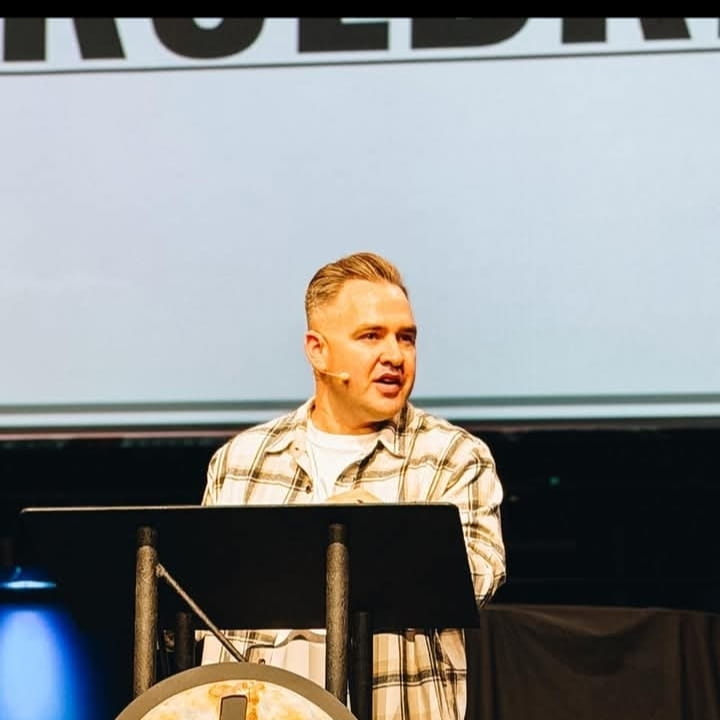
終了
03 時間 30 分 45 秒
14.2k
182
Plasma Explained: How Stablecoins, Speed, and Bitcoin Security Come Together
Plasma is a Layer 1 blockchain designed with one very clear purpose: to make stablecoins work like real digital money. Instead of treating stablecoins as just another token inside a complex crypto system, Plasma is built around them from the ground up. The main focus is settlement, meaning the fast, reliable movement of value, especially using stablecoins like USDT. The idea is simple but powerful. If stablecoins are already being used by millions of people for payments, remittances, savings, and business transfers, then the blockchain they live on should be optimized for that exact job.Today, stablecoins move billions of dollars every day, but the experience is still full of friction. Users often need a separate gas token, transactions fail when gas is miscalculated, confirmations take too long, and the whole process feels technical and risky to non-crypto users. Plasma exists because this friction blocks mass adoption. The chain is trying to turn stablecoin transfers into something as close as possible to sending a message online: quick, predictable, and easy.At its core, Plasma is fully EVM compatible. That means it supports the same smart contract environment developers already know from Ethereum. Developers can deploy Solidity contracts, reuse existing tooling, and integrate with familiar wallets. Plasma does not ask builders to learn a new language or ecosystem. Instead, it changes the underlying priorities of the chain so that stablecoins are the main citizens, not an afterthought.Under the hood, Plasma uses a custom consensus system called PlasmaBFT. This system is designed for speed and reliability, which is especially important for payments. In a payment context, waiting minutes or even tens of seconds for finality can be unacceptable. PlasmaBFT is a Byzantine Fault Tolerant design inspired by modern consensus research, optimized to deliver very fast finality while still tolerating faulty or malicious validators. The goal is to make transactions feel final almost immediately, which matters for merchants, payroll systems, and financial infrastructure.One of Plasma’s most important design choices is its approach to gas. On most blockchains, users must hold a volatile native token just to move stablecoins. Plasma directly attacks this problem. It introduces gasless USDT transfers for simple use cases. In these transfers, the user does not need to hold XPL or any other gas token. Instead, the protocol sponsors the transaction through a tightly controlled system that only allows basic transfer operations. This is not a blanket “free gas forever” model. It is carefully scoped to avoid abuse, using restrictions, rate limits, and identity-aware controls. The intention is to remove friction for real users without opening the door to unlimited spam.Beyond gasless transfers, Plasma also supports stablecoin-first gas. This means that users can pay transaction fees directly in approved tokens like stablecoins, while the system handles conversion behind the scenes. From the user’s perspective, the need to manage a separate gas asset disappears. From the protocol’s perspective, XPL remains central because it sits underneath the system that enables these abstractions.Account abstraction plays an important role in this design. Plasma aligns with modern Ethereum standards that allow smart accounts, sponsored transactions, and better wallet experiences. This opens the door to features like session keys, recovery mechanisms, and app-controlled fee sponsorship, all of which are essential if crypto is to feel more like mainstream financial software.Security and neutrality are another key part of Plasma’s long-term vision. The project emphasizes Bitcoin-anchored security and a future trust-minimized bridge to Bitcoin. The goal is not just to bring BTC liquidity into the ecosystem, but to anchor the system to the most neutral and censorship-resistant asset in crypto. Over time, Plasma aims to reduce reliance on any single stablecoin issuer or centralized actor, positioning itself as a neutral settlement layer that institutions and users can trust.The native token of the network is XPL. XPL is used for network security, validator incentives, governance, and as the core asset that enables fee abstraction and gas sponsorship. At mainnet beta launch, the initial supply is ten billion XPL. The allocation is split across public sale, ecosystem growth, team, and investors. A large portion is reserved for ecosystem incentives, integrations, and liquidity, reflecting the belief that adoption must be actively seeded. Validator rewards are designed with a declining inflation schedule, starting higher to bootstrap security and gradually moving toward a lower long-term rate. Base transaction fees are burned using an EIP-1559-style mechanism, meaning that higher usage can help offset inflation over time.The value of XPL is tightly linked to one thing: whether Plasma becomes a meaningful stablecoin settlement network. If stablecoin volume grows on the chain, XPL captures value through fees, security demand, and its role in enabling advanced transaction models. If usage fails to materialize, the token struggles regardless of design.Plasma’s ecosystem strategy reflects this reality. From the beginning, the project emphasizes liquidity, DeFi integration, and real-world payment corridors. Stablecoins on their own are not enough. Users want to earn yield, borrow, hedge, and move capital efficiently. Research coverage highlights plans to integrate with major DeFi protocols and financial platforms so that stablecoins on Plasma are productive, not idle. At the same time, merchant and remittance partnerships aim to drive real transaction flow, not just speculative activity.The roadmap focuses on phased adoption. It starts with mainnet launch and stablecoin-native features, followed by liquidity seeding and integrations. Over time, validator decentralization expands, governance matures, and more assets and stablecoins are onboarded. Bitcoin bridging and advanced features like selective-disclosure privacy are positioned as later stages, once the core system is proven and secure.None of this comes without risk. Gasless transfers are powerful but dangerous if mismanaged. Spam resistance must work without locking out honest users. Early validator centralization must give way to real decentralization, or the neutrality narrative breaks. Bridges, especially those connected to Bitcoin, are historically risky and must be engineered with extreme care. Competition is intense, with many chains chasing stablecoin volume and payment use cases. Finally, regulation around stablecoins is evolving, and global payment systems must navigate complex compliance environments.When everything is stripped down, Plasma is making a focused bet. It believes the future of crypto adoption is not driven by speculative tokens, but by stable, digital money moving across borders at internet speed. It is trying to build the blockchain that stablecoins deserve, not just another general-purpose chain. Whether it succeeds depends less on slogans and more on execution: real users, real volume, real reliability. If it works, Plasma becomes invisible infrastructure powering everyday finance. If it fails, it joins a long list of technically sound but underused networks.
@Plasma $XPL #Plasma
@Plasma $XPL #Plasma
さらにコンテンツを探すには、ログインしてください