

Strong Systems Are Built for Years, Not Headlines.Most technology is built to impress quickly. It launches fast, gains attention, and fades just as fast. Infrastructure is different. It has to work quietly, survive pressure, and stay useful long after the excitement is gone. Walrus feels designed with this lesson in mind. It is built as long-term infrastructure, supporting privacy-focused and data-heavy applications without relying on centralized control.This isn’t about chasing trends. It’s about building something that keeps working when conditions change.
Why Long-Term Thinking Matters in Storage
Data doesn’t disappear when hype cycles end. User files, application states, and on-chain records need to stay accessible for years. Centralized systems handle this by asking users to trust a company, a policy, or a promise of uptime. That works until it doesn’t.Walrus starts from a different assumption: systems will fail, companies will change, and rules will be rewritten. So instead of depending on one authority, it spreads responsibility across a network. Longevity comes from design, not guarantees.
The lesson is simple: if something is meant to last, it shouldn’t depend on one decision-maker.
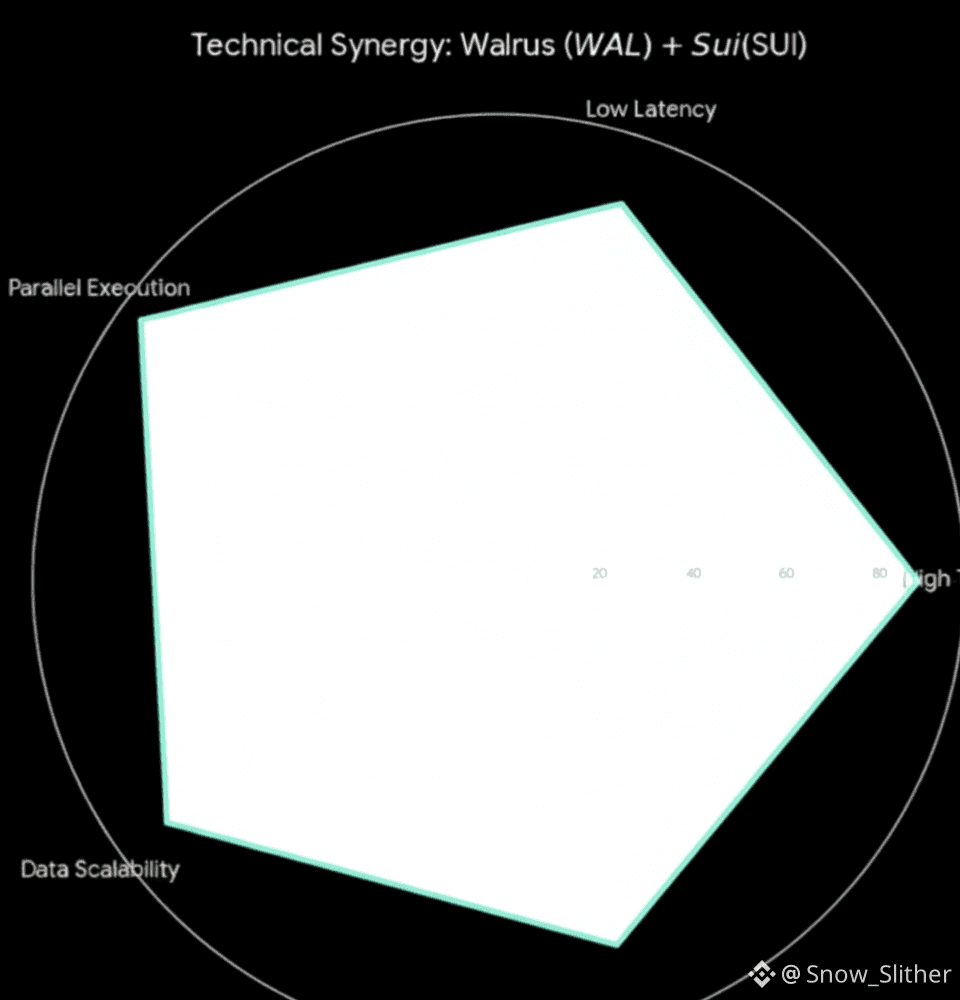 Privacy as a Design Choice, Not a Feature
Many platforms add privacy later, like a patch. Walrus treats privacy as foundational. By distributing data across independent providers and avoiding centralized control, it reduces the risk of surveillance, censorship, and silent data changes.Privacy-focused applications need more than encryption. They need infrastructure that doesn’t leak power through control points. When no single entity owns the storage layer, it becomes much harder to pressure, monitor, or manipulate.This isn’t about hiding. It’s about giving users and developers room to operate without constant oversight.
Handling Data-Heavy Workloads the Right Way
Blockchains are great at coordination and verification, but they struggle with large volumes of data. Pushing everything on-chain is expensive and inefficient. Walrus is built to handle the heavy lifting.Large files, application data, and long-lived records live in Walrus, while blockchains focus on logic and state. This separation allows applications to scale without breaking the core system. It’s a practical approach that respects limits instead of fighting them.
The lesson here is restraint. Good infrastructure knows what not to do.
Decentralization Without Fragility
Decentralization is often misunderstood as chaos. In reality, it’s about removing single points of failure. Walrus doesn’t aim for perfect redundancy everywhere. It aims for resilience through distribution.If some storage providers go offline, the network continues. If conditions change, the system adapts. Control is spread out, but rules remain clear. This balance makes Walrus suitable for long-term use, not just experiments.Decentralization isn’t about being unbreakable. It’s about failing gracefully.
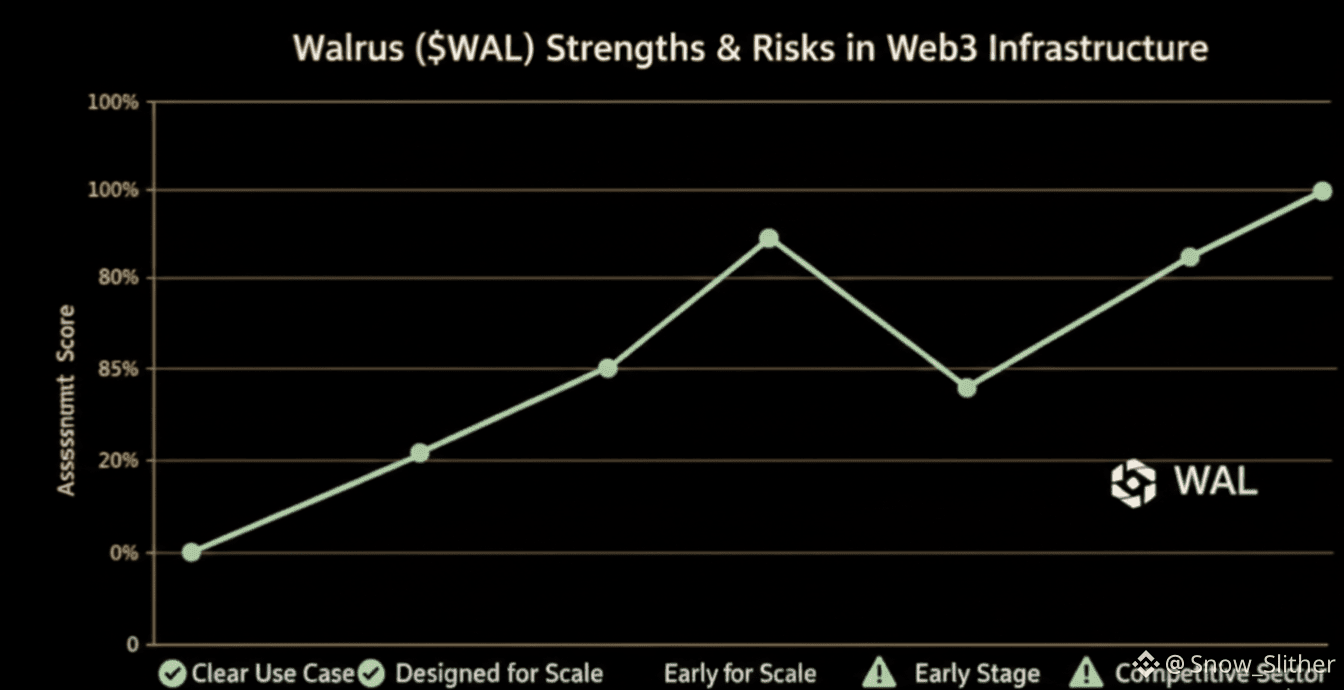 Why Centralized Control Becomes a Risk Over Time
Centralized control looks efficient early on. Decisions are fast. Coordination is easy. But over time, it becomes a bottleneck. Policies shift, incentives change, and users lose influence.Walrus avoids this trap by design. No single entity can unilaterally change access rules or decide who stays and who goes. Governance and incentives are shared across the network, making control harder to capture.
The quiet lesson is this: power concentrates naturally unless systems are built to resist it.
Built for Developers Who Think Long-Term
Developers building serious applications care about more than launch day. They care about maintenance, user trust, and future-proofing. Walrus supports this mindset by offering predictable storage, privacy-friendly design, and infrastructure that doesn’t depend on one provider staying benevolent.This allows teams to focus on building products instead of worrying about storage policy changes or sudden restrictions. Reliability becomes part of the foundation, not an ongoing negotiation.
Infrastructure That Gets Out of the Way
The best infrastructure is often invisible. Walrus doesn’t try to dominate the user experience. It sits underneath, doing its job quietly. Files stay available. Data stays intact. Control stays distributed.For users, this means fewer surprises. For developers, it means fewer compromises. For the network, it means stability over time.
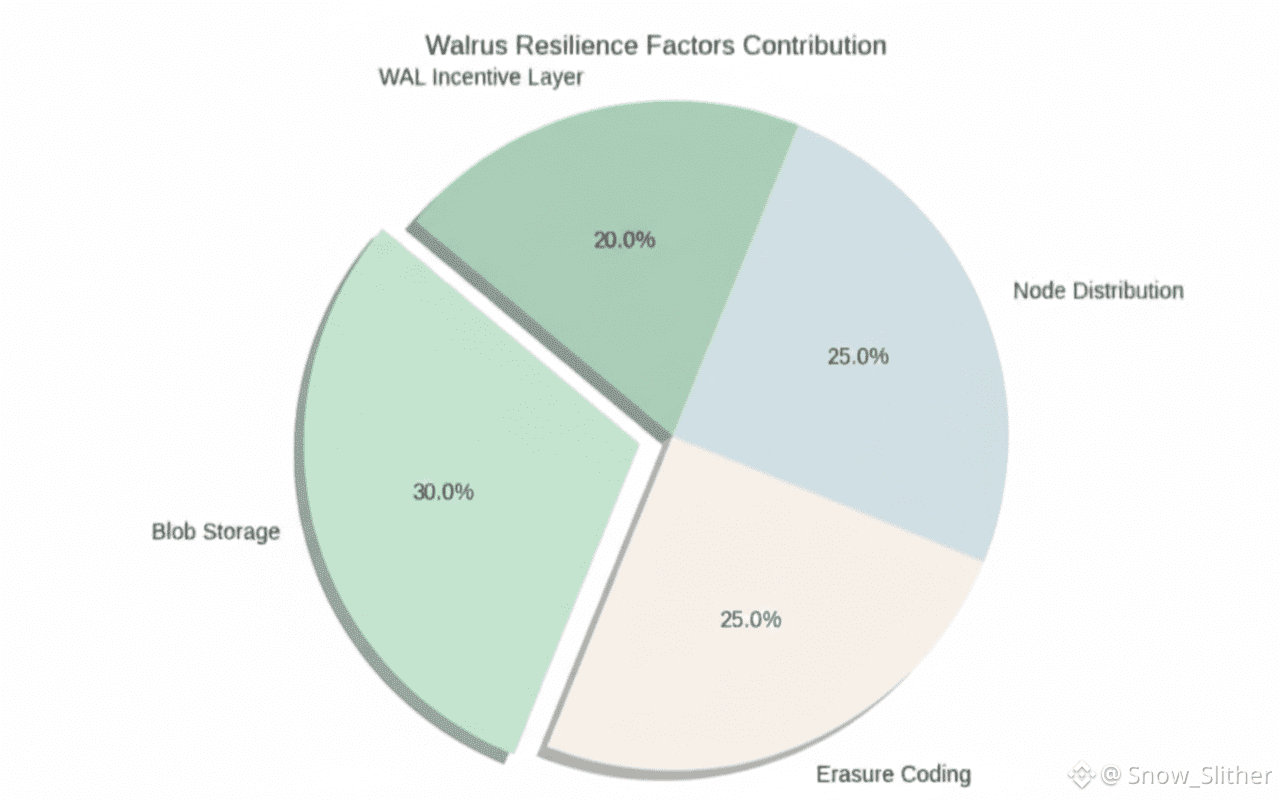 A System Designed to Age Well
Walrus is not built for quick wins. It’s built to age well. By supporting privacy-focused and data-heavy applications without relying on centralized control, it offers a storage layer that can adapt, endure, and remain relevant.The final lesson is calm but important: lasting systems aren’t loud. They’re thoughtful, patient, and designed with failure in mind. Walrus seems to understand that—and builds accordingly. #Walrus #walrus $WAL @Walrus 🦭/acc

